Serving Lancaster, CA and surrounding areas. (661) 952-4269
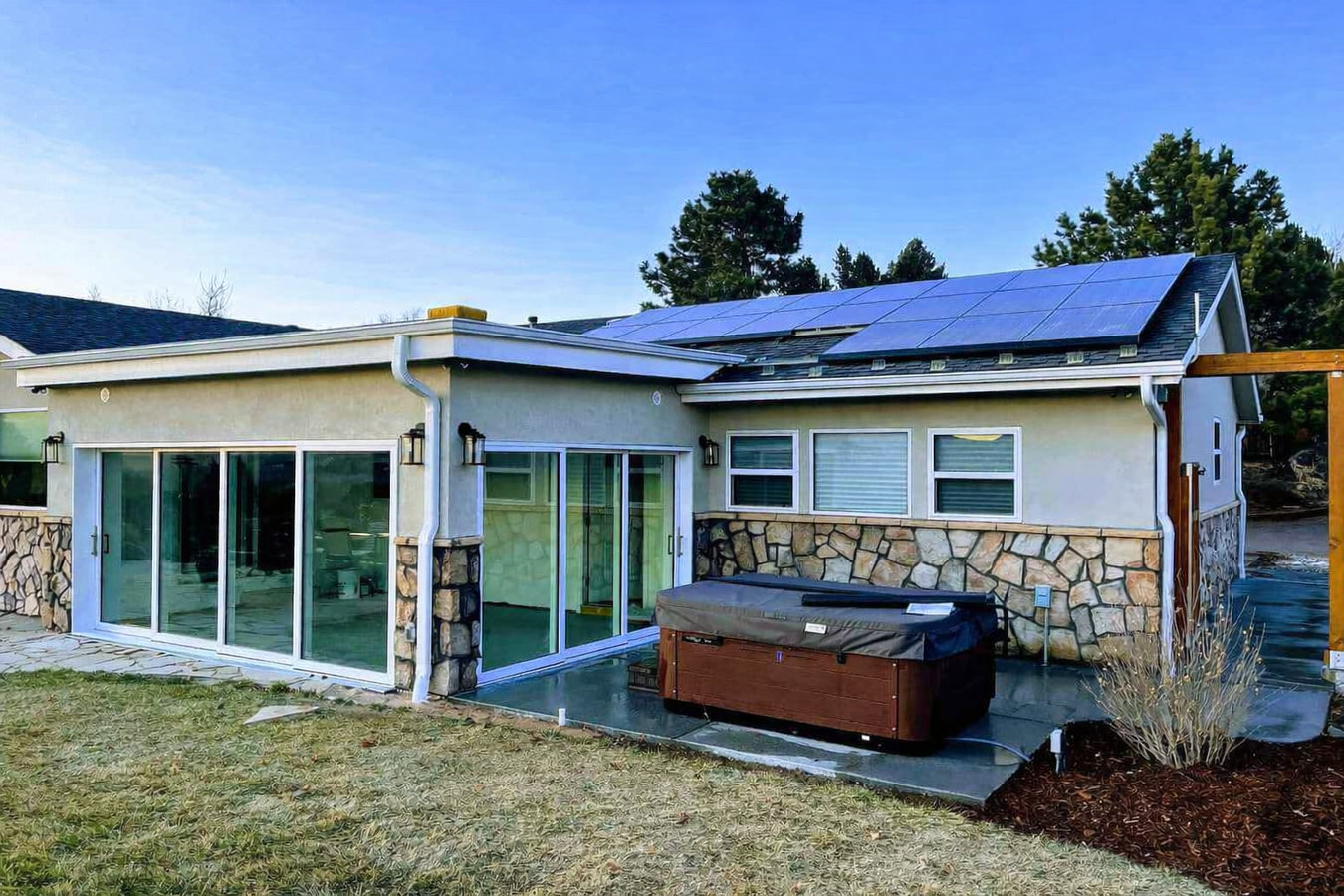
A sunroom built right the first time means no permit problems, no change orders from soil surprises, and a room you can actually use in July.
Sunroom construction in Lancaster, CA covers everything from the foundation and framing through glass installation, roofing, climate systems, and final city inspection - most projects take eight to fourteen weeks from signed contract to a room you can walk into and use.
Lancaster's high-desert conditions shape how every sunroom needs to be built. The summer heat, the spring wind events, and the caliche soil found throughout the Antelope Valley all require choices that a sunroom contractor experienced only in coastal or inland valley markets might miss. If you are still deciding on the design before committing to a full build, our sunroom additions page covers how room additions get started and what to expect from the planning process.
Most homeowners who contact us have an outdoor space they cannot use for half the year, a patio cover that has reached the end of its life, or a home that needs more living space without the full complexity of a traditional interior addition. Sunroom construction solves all three of those problems in one project.
If your backyard patio sits unused for half the year because of Lancaster's desert heat, that is a clear sign a sunroom could transform that space into something you actually enjoy. A properly built, climate-controlled sunroom lets you reclaim your outdoor footprint year-round instead of avoiding it for months at a time.
The Antelope Valley's spring wind events bring dust, debris, and grit that make outdoor spaces miserable and hard to keep clean. If your patio furniture is constantly coated in dust or windy days push grit into your home, an enclosed sunroom solves that problem entirely - you get the light and openness without the exposure.
If your family has outgrown your living space but a full room addition feels like too large a project, a sunroom is often a faster and less expensive way to add functional square footage. You will notice this need when you are consistently short on space for guests, a home office, or a quiet sitting area.
If your existing patio cover is rusting, sagging, or letting in water, that is a natural moment to consider upgrading to a proper sunroom rather than just replacing the cover. A sunroom built on the same footprint gives you far more utility - it is weatherproof, usable year-round, and adds to your home's value in a way a patio cover cannot.
We handle sunroom construction from the first site visit through the city's final inspection and certificate of occupancy. That includes foundation assessment, permit applications, framing, glass and roofing installation, electrical rough-in, and HVAC connections. For homeowners who want to update or expand an existing sunroom rather than build from scratch, our sunroom remodeling service covers those projects.
For homeowners who need a new enclosed addition to replace what they already have, our sunroom additions service walks through the full process of adding a new room to your home, including the design decisions that affect how comfortable and how energy-efficient the finished room will be. Every build we do in Lancaster is permitted through the City of Lancaster's Building and Safety Division - no exceptions, because an unpermitted addition can cost you far more when you go to sell.
Best for homeowners who want a fully insulated, climate-controlled room that works year-round in Lancaster's extreme heat and cold nights.
Suits homeowners who primarily use their outdoor space in spring and fall and want a lower-cost enclosed option than a full year-round build.
For homeowners who want to know whether their existing patio slab is suitable before committing to a full construction contract.
Covers the entire City of Lancaster permit application, HOA submissions, required inspections, and final certificate of occupancy.
Lancaster's Antelope Valley location creates conditions that coastal California contractors often underestimate. Summer temperatures regularly climb past 100 degrees F, so a sunroom built with standard residential glass becomes an oven from June through September. Every sunroom builder working in Lancaster's conditions needs to use glass with a low solar heat gain coefficient and pair the room with a properly sized mini-split or central HVAC connection. The Antelope Valley also sees spring wind gusts that can exceed 50 mph - Lancaster's building code requires framing and structural connections to be engineered for those loads, which is stricter than what you would find in most Southern California markets. The National Association of the Remodeling Industry provides guidance on working with licensed remodeling contractors for exactly these types of local-condition-specific builds.
We build throughout the Antelope Valley, including in Quartz Hill and Palmdale, where many homes share Lancaster's soil conditions. The caliche layer beneath many local properties - a hard calcium carbonate formation that is common throughout the valley - can complicate foundation work when new concrete needs to be poured. We assess soil conditions before giving a price, so the number in your contract is the number you pay - not a starting point that climbs when we hit something unexpected underground.
When you reach out, we ask about your home, your goals, and your rough budget. We reply within one business day. This is a quick check to make sure a sunroom is the right fit before anyone drives out - you do not need to have all the answers, just a general sense of the space you are thinking about.
We come to your home, measure the space, look at your existing foundation or patio, and talk through your options in person. In Lancaster, we also ask about your HOA status and check the orientation of the space - south- and west-facing rooms need different glass than north-facing ones. You will leave with a written estimate.
Once you agree on a design and sign a contract, we prepare and submit the permit application to the City of Lancaster's Building and Safety Division. If you have an HOA, that approval process runs at the same time. Plan for two to four weeks for permit review - we handle all the paperwork, you just sign anything that requires a homeowner signature.
With permits in hand, work begins with foundation and framing, then glass, roofing, and systems. A city inspector visits during and after the build. After final inspection and sign-off, we walk you through the completed room and hand over your permit documentation - keep it, you will need it when you sell.
Free written estimate. No pressure. We reply within one business day.
(661) 952-4269We build in Lancaster and the Antelope Valley specifically, which means we understand the wind load engineering requirements, the glass performance specs for extreme heat, and the soil conditions that catch contractors from other markets off guard. Local experience here is not a bonus - it is what keeps your project on budget.
We handle every permit through the City of Lancaster's Building and Safety Division and do not cut corners to save time. When you are ready to sell, your sunroom is documented, legal, and an asset on your listing - not a liability that needs to be disclosed or torn out. The City of Lancaster Building and Safety Division information is available at cityoflancasterca.org.
The Antelope Valley's caliche soil layer is a known local condition that can complicate foundation work. We assess soil conditions before giving you a price, so the number in your contract reflects the reality of your specific site. Contractors who do not factor this in often hit caliche mid-project and send you a change order.
Lancaster's spring windstorms can bring gusts over 50 mph, and a sunroom framed to coastal California standards will not hold up the way it should here. We engineer every structural connection to handle Antelope Valley wind loads, which is what Lancaster's building code actually requires and what protects your investment long-term.
Every one of these details comes down to building for the conditions that actually exist in Lancaster - not for a generic Southern California market. That specificity is what separates a sunroom that holds up and stays comfortable from one that causes problems within a few years.
Update, expand, or re-seal an existing sunroom that is no longer performing the way it should.
Learn MoreAdd a new sunroom to your home's footprint, from the first design conversation through permitted completion.
Learn MorePermit slots fill fast - contact us now and we will get your project on the schedule with a full written estimate before anyone breaks ground.