Serving Lancaster, CA and surrounding areas. (661) 952-4269
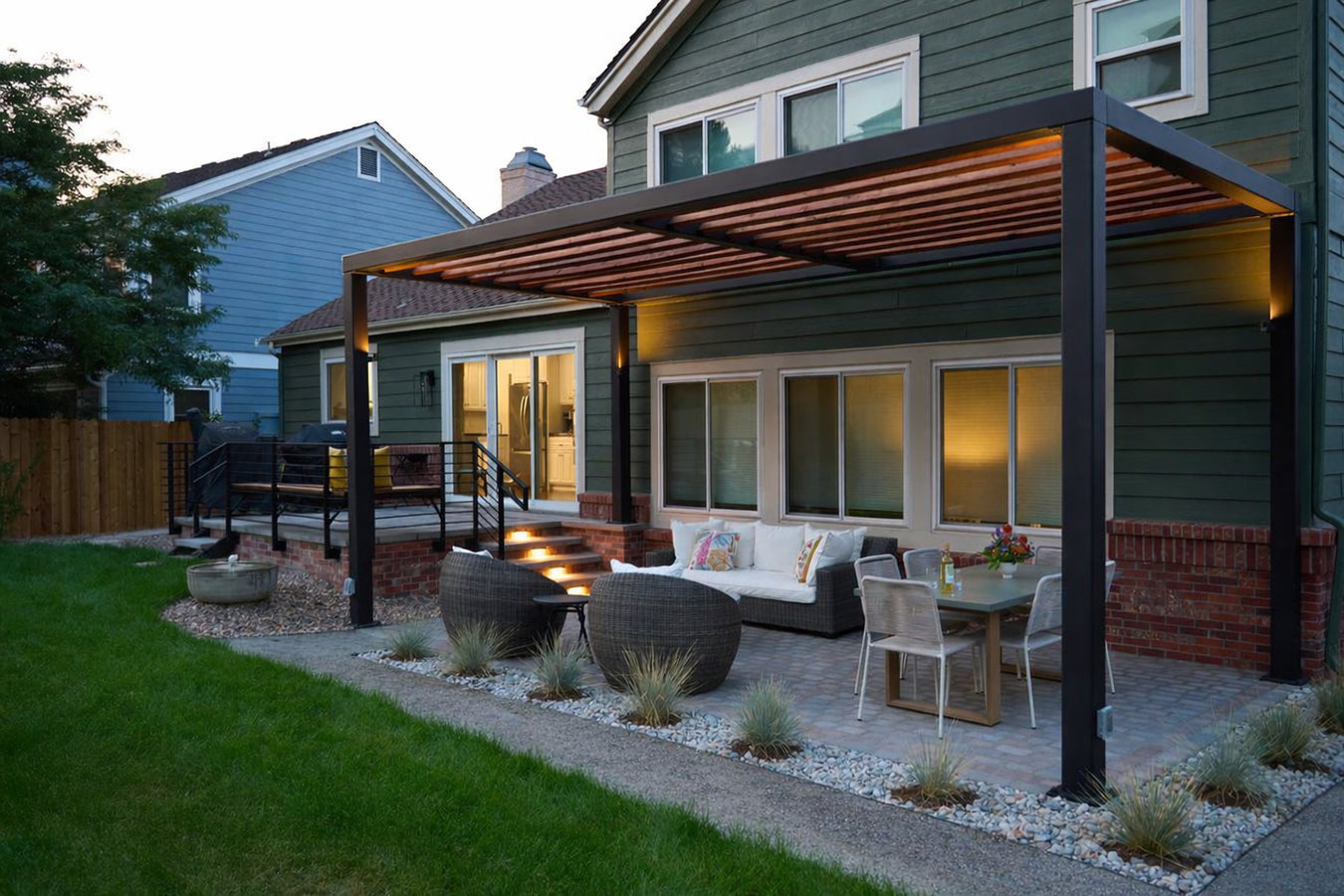
LSS Lancaster Sunrooms & Patios installs patio covers, four season sunrooms, and patio enclosures for Apple Valley homeowners across the Victor Valley. We build for the Mojave Desert climate - triple-digit summers, cold desert winters, and high winds - and we handle Town of Apple Valley building permits on every project. We return calls within one business day.
Apple Valley homes sit on large lots with wide-open backyard patios that bake in summer sun for months at a time, making them impossible to use without shade. A solid insulated patio cover drops the surface temperature significantly and creates an outdoor room that is genuinely useful through the long desert summer - not just in October and April. It is also the most common starting point before a full enclosure for homeowners who want to take the project one step at a time.
Apple Valley sits at nearly 3,000 feet in the Mojave Desert, which means the temperature swings here are wider than most homeowners expect when they move from the Los Angeles basin. A four season sunroom built with insulated structural panels, low-emissivity double-pane glass, and a dedicated mini-split system performs at both ends of that range - cooling on days over 100 degrees and warming on winter nights that dip below freezing - without borrowing capacity from the home's main HVAC.
Desert winds carry sand and grit that scour every exposed outdoor surface in the Victor Valley, and Apple Valley is no different. Enclosing a patio with glazed or screened panels keeps the wind and airborne debris out while maintaining the open feel that makes patio living attractive in the first place. An enclosed patio also protects outdoor furniture and appliances from the accelerated UV and wind damage that is routine in this climate.
Apple Valley homes typically have more lot space than similar-priced homes elsewhere in Southern California, which makes attached sunroom additions practical even when the existing floor plan is compact. The desert environment requires materials that hold up to sustained UV exposure, freeze-thaw concrete movement, and blowing sand - details we specify correctly rather than leaving to chance on a cost-cutting build.
An all season room is the right choice for Apple Valley homeowners who want more than a patio cover but are not ready to commit to the cost of a fully tempered four season sunroom. These rooms handle the mild-to-moderate weather of fall and spring beautifully, and with the right insulation package they can stretch usability into winter mornings and summer evenings without a dedicated HVAC unit.
Apple Valley's spring months - March through May - bring some of the most pleasant outdoor temperatures in the high desert, but the wind events in that season carry enough grit and insects to make an open patio uncomfortable. A screen room lets those mild spring evenings in while keeping the desert elements out, extending the outdoor season by several weeks on each end without the cost of a fully glazed enclosure.
Apple Valley is a desert town at elevation, and that combination produces a climate that is more demanding on building materials than most of Southern California. Summer temperatures regularly exceed 100 degrees Fahrenheit, and the desert sun is intense enough to degrade exterior caulking, stucco, and roofing materials visibly within a few seasons if they are not rated for sustained UV exposure. At nearly 3,000 feet above sea level, winter nights in Apple Valley drop below freezing regularly from November through February, and the area sees occasional light snow. The resulting freeze-thaw cycle is one of the primary reasons concrete driveways, patios, and foundations in the Victor Valley crack and shift - water enters small cracks, freezes, expands, and widens those cracks year after year. Any enclosed structure needs to be designed with both temperature extremes in mind, not just one.
Most Apple Valley homes were built between the 1970s and early 2000s on large lots, typically quarter-acre or more, with long driveways and wide patio areas. The housing stock is predominantly single-family stucco homes on slab foundations, and while slab construction is well-suited to the desert, the sandy loam soil common in this area does shift over time, particularly with the moisture fluctuations that come from infrequent but heavy rainstorms. When Apple Valley gets rain, it tends to come fast and heavy - the hard desert ground does not absorb it quickly, so runoff is significant and poor drainage around foundations is a real concern. A contractor unfamiliar with these conditions will underestimate the site prep required for a durable addition and create problems that show up within a few years of completion.
Our crew works throughout Apple Valley regularly, and we understand the local conditions that affect sunroom and patio cover work here. Apple Valley is an incorporated town in San Bernardino County, and permits are issued by the Town of Apple Valley Building and Safety division. We handle the permit process on every project, which matters in a town where large-lot properties with long setbacks and detached structures can require more documentation than a standard suburban tract home.
Apple Valley sits in the Victor Valley basin of the Mojave Desert, sharing the high desert region with Victorville and Hesperia to the west and north. The town runs along Highway 18, which serves as the main east-west corridor, and Apple Valley Road is the primary north-south route connecting the northern residential neighborhoods to the older streets closer to the town center. The Apple Valley Airport on the east side of town is a well-known local reference point, and the town's long association with Roy Rogers and Dale Evans is part of its identity - a history that reflects how long Apple Valley has been a real, established community and not just a new subdivision. For a full picture of the town's background, the Apple Valley Wikipedia article covers the geography and history well.
We also serve the neighboring Victor Valley communities of Hesperia, CA and Lancaster, CA on the other side of the mountains, so we understand how desert conditions vary across the high desert region and how building requirements differ between San Bernardino and Los Angeles County jurisdictions.
Call us or submit the contact form online and we will respond within one business day. We schedule free in-person estimates throughout Apple Valley and the Victor Valley on a rolling basis - no long waits to get someone out to the property.
We visit the property, assess lot conditions, the existing patio or foundation, and any drainage or grade concerns that affect scope or cost. Apple Valley's large lots and desert soil conditions matter here - we account for them in the written estimate rather than discovering them mid-project. Cost is explained in plain terms with no pressure.
We submit permit applications to the Town of Apple Valley Building and Safety division and track plan check progress. Once the permit is issued, construction begins. Most patio cover and enclosure projects in Apple Valley are completed within four to eight weeks of permit approval, depending on project size.
We walk through the finished project with you before signing off, schedule the final town inspection, and address anything from the walkthrough before closing out. The permit record stays with the property and is part of the home's documented improvement history.
We serve Apple Valley and the full Victor Valley. No pressure estimates, honest pricing, and permits handled for you.
(661) 952-4269Apple Valley is a town of roughly 75,000 to 80,000 residents in San Bernardino County, sitting in the Victor Valley area of the Mojave Desert at an elevation of about 2,900 feet above sea level. It is one of the larger communities in the high desert region, bordered by Victorville to the west and Hesperia to the northwest. The town is spread out and low-density by design - most homes sit on large lots, many with long driveways, wide patios, and desert landscaping that reflects the open character of the surrounding land. Apple Valley has been a real, established community for decades, with its own hospital, school district, and local government. The town is closely associated with the legacy of Roy Rogers and Dale Evans, who lived here for many years, and that western heritage still shapes the town's identity in visible ways.
The housing stock in Apple Valley is predominantly single-family owner-occupied homes built between the 1970s and early 2000s. Most homeowners here are long-term residents who invest in maintaining and improving their properties rather than treating them as short-term holdings. The large lots, big patios, and generous yard space that define Apple Valley properties are exactly the kind of outdoor areas where a patio cover or enclosed sunroom adds real daily value. If you are comparing options across the Victor Valley region, you may also want to look at what we offer homeowners in Victorville, CA and Hesperia, CA, where we work on similar desert properties with the same climate considerations.
A cost-effective enclosed space for spring, summer, and fall enjoyment.
Learn MoreConvert your existing patio into a fully enclosed sunroom space.
Learn MoreGlass solarium installations that flood your home with natural light.
Learn MoreWe build for the Mojave Desert climate and handle all Town of Apple Valley permits. Call now to schedule your free on-site visit - we return calls within one business day.